The Hidden Reason Your Calisthenics Progress Stalled: It's Your Grip, Not Your Muscles
A calisthenics plateau that looks like a back or shoulder strength problem is often actually a grip problem, since hands and forearms tend to fatigue well before the larger pulling muscles do, quietly capping progress on hangs, pull-ups, and bar-based skills alike.

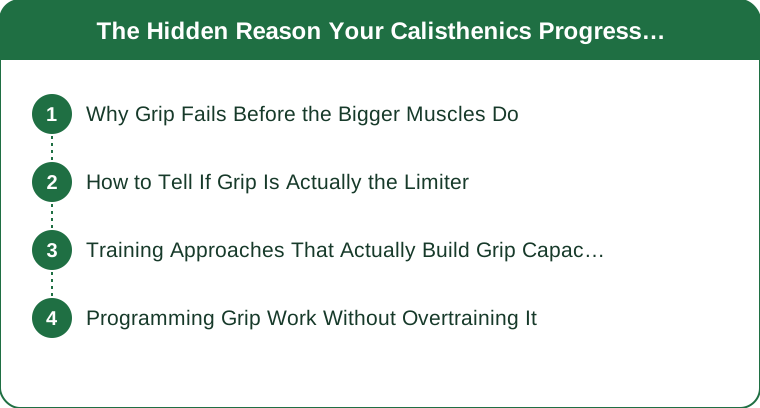
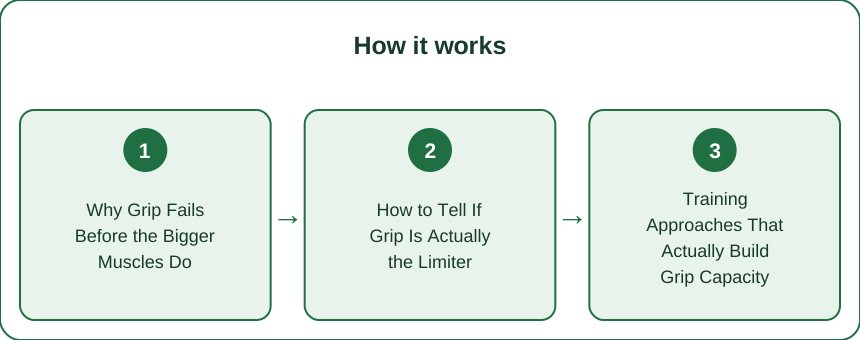
Why Grip Fails Before the Bigger Muscles Do
The mechanism: the the-smaller-muscle-group-fatigue-rate (forearm and hand muscles being considerably smaller than the back and shoulder muscles doing most of the actual pulling work, meaning they hit fatigue and failure sooner under sustained load), the the-isometric-grip-demand-during-holds (any hanging or static hold placing continuous isometric demand specifically on the grip, a type of demand most other training rarely applies with the same intensity or duration), the the-grip-endurance-versus-strength-distinction (grip failing during longer holds often being an endurance limitation rather than a raw strength limitation, meaning the training fix looks different than it would for a strength ceiling)).
How to Tell If Grip Is Actually the Limiter
The diagnostic check: the the-hands-open-before-target-muscles-fatigue (noticing that hands and forearms are visibly straining or beginning to open before the back or shoulders show any real fatigue signal, a clear sign grip is the bottleneck), the the-shorter-hold-times-with-thick-or-slippery-bars (hold or hang times dropping noticeably on a thicker or slicker bar surface compared to a standard bar, pointing to grip capacity rather than pulling strength as the limiting factor), the the-chalk-improves-performance-significantly (a meaningful performance improvement from using chalk specifically, since chalk primarily addresses grip slippage rather than muscular pulling capacity).

Training Approaches That Actually Build Grip Capacity
The methods: the the-dead-hang-progressive-duration (progressively increasing dead hang duration over weeks as a direct, specific grip endurance builder, tracked and progressed the same deliberate way pull-up reps would be), the the-thick-grip-and-towel-variations (training holds and pulls using a towel wrapped around the bar or a thicker grip attachment specifically to build grip capacity beyond what a standard bar demands), the the-farmer-carry-crossover-benefit (farmer’s carries with heavy weights in each hand building substantial grip endurance that transfers directly to bar-based holds and pulling work, despite not resembling calisthenics training directly).
Programming Grip Work Without Overtraining It
The practical structure: the the-grip-work-after-main-lifts (placing dedicated grip training after the main pulling work in a session rather than before, since pre-fatigued grip would limit performance on the primary movements themselves), the the-recovery-consideration-for-grip (allowing genuine recovery time for grip-specific work, since forearms are still muscle tissue that needs rest between sessions just like any other muscle group), the the-consistency-over-intensity-for-grip-gains (grip endurance responding well to frequent, moderate-intensity training rather than occasional maximal efforts, making short, regular sessions more effective than rare, exhausting ones), and the frame (a calisthenics plateau on pull-ups, hangs, or other bar work is often a grip limitation rather than a back or shoulder strength limitation — progressive dead hangs, thick-grip variations, and farmer’s carries trained consistently and placed after the main pulling work close that gap.)
A calisthenics plateau that seems to come from stalled back or shoulder strength is often actually a grip limitation, since the smaller muscles in the hands and forearms fatigue considerably sooner than the larger pulling muscles under sustained load, and any hanging or static hold places a continuous isometric demand on the grip that most other training rarely replicates. The tell is noticing hands and forearms visibly straining or beginning to open before the back or shoulders show any real fatigue signal, along with a clear improvement in hold or hang time when chalk is used, since chalk addresses slippage rather than pulling capacity directly. Building grip capacity deliberately, through progressively longer dead hangs tracked and progressed the same way pull-up reps would be, thick-grip or towel-wrapped bar variations, and farmer’s carries with heavy weight in each hand, closes this gap more directly than simply doing more pull-ups and hoping grip catches up on its own. The most effective approach places this grip work after the main pulling movements in a session rather than before, and trains it frequently at moderate intensity rather than occasionally at maximum effort, since forearms are still muscle tissue that responds to consistency and still needs real recovery time between sessions.
Keep Reading
This article is for general informational and styling purposes only. Fit, sizing, and product availability may vary.